Overview
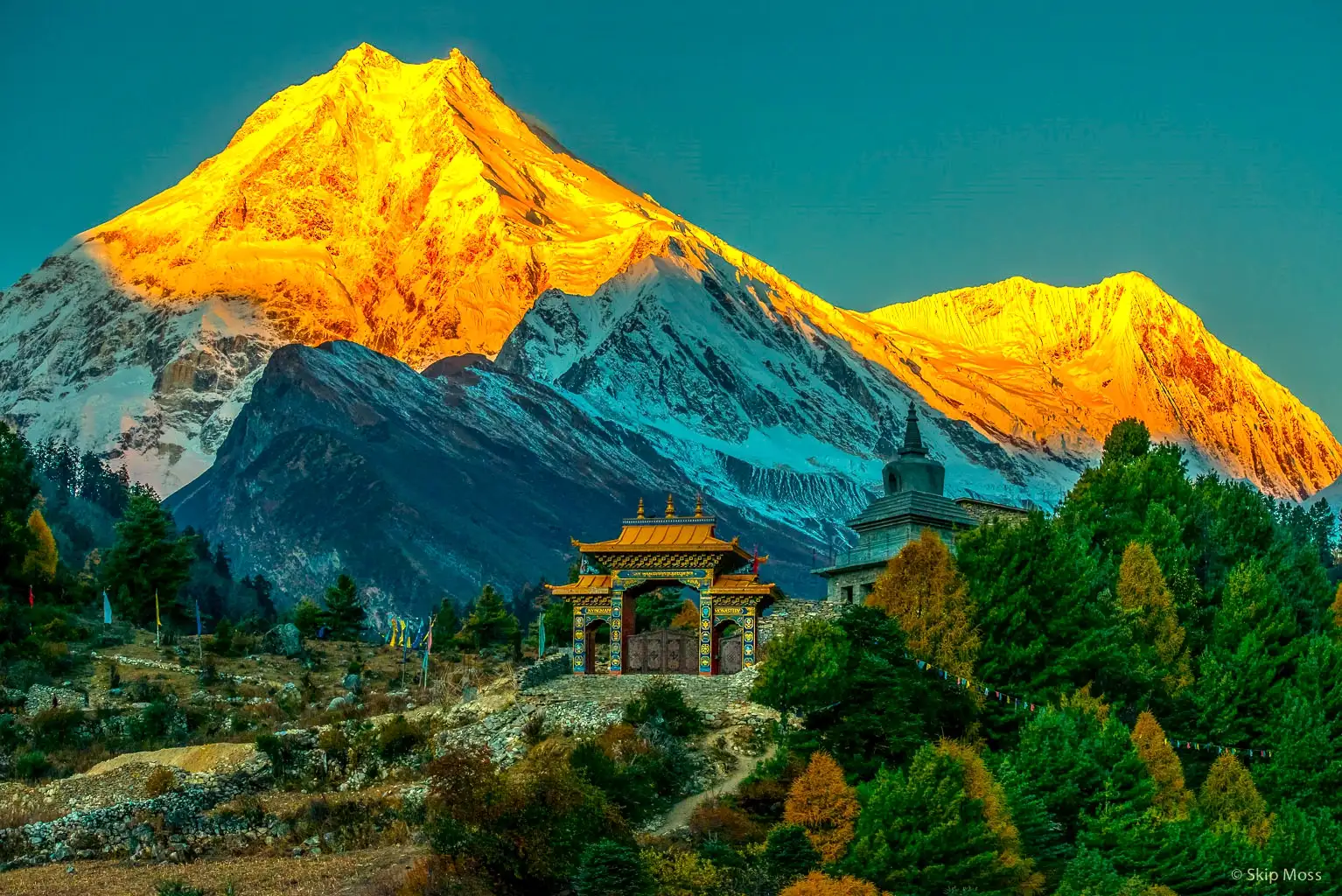
The Upper Mustang Trek is one of Nepal’s most fascinating and culturally rich trekking experiences, offering a journey into the ancient kingdom of Lo, also known as the “Forbidden Kingdom”. Located in the remote northern part of the Annapurna region, Upper Mustang is renowned for its breathtaking desert landscapes, Tibetan-style villages, and preserved Buddhist culture. Unlike most trekking regions in Nepal, Upper Mustang remains arid and mystical, with dramatic cliffs, canyons, and caves, providing trekkers with a unique adventure.
This trek usually starts from Jomsom or Pokhara and follows the Kali Gandaki River, passing through traditional Thakali and Tibetan-influenced settlements. The trail winds through ancient walled villages, monasteries, and gompas, where monks continue age-old practices and rituals. Highlights include Lo Manthang, the walled capital city, ancient caves used for meditation, and colorful Tibetan Buddhist murals that adorn monasteries.
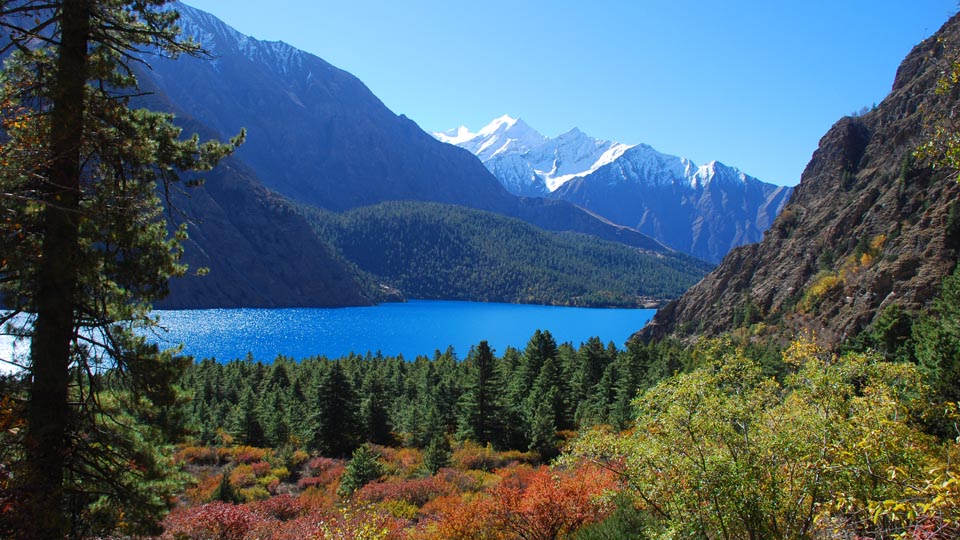
The Upper Mustang region sits at high altitudes, ranging from 2,700m to 4,000m, making it a moderate to challenging trek, suitable for trekkers with prior high-altitude trekking experience. The arid landscape, combined with panoramic views of Annapurna, Dhaulagiri, and Nilgiri peaks, offers a surreal trekking experience unlike any other in Nepal.
The best time for the trek is during spring (March–May) and autumn (September–November), when the skies are clear and weather conditions are ideal. Due to its remote location, a special trekking permit from the Nepal government is required, which is handled by I Global Travel & Tourism along with other logistics such as guides, porters, accommodations, and meals.
In conclusion, the Upper Mustang Trek offers a journey back in time, combining ancient culture, mystical landscapes, and high-altitude adventure. With professional guidance from I Global Travel & Tourism, trekkers can explore this hidden gem safely, experiencing its rich Tibetan heritage, unique landscapes, and spiritual essence in a truly unforgettable way.