Nar Phu Valley Trek-17 Days

Trip Facts

Duration 17 Days
Group size 2-15 persons
Best Season March–May & September–November
Trip Mode Teahouse + Tent at High Camp
Activity Tour
Meals Breakfast, Lunch, Dinner
DIFFICULTY Moderate
LOCATION Nepal
Start/End Kathmandu, Nepal

Highlights

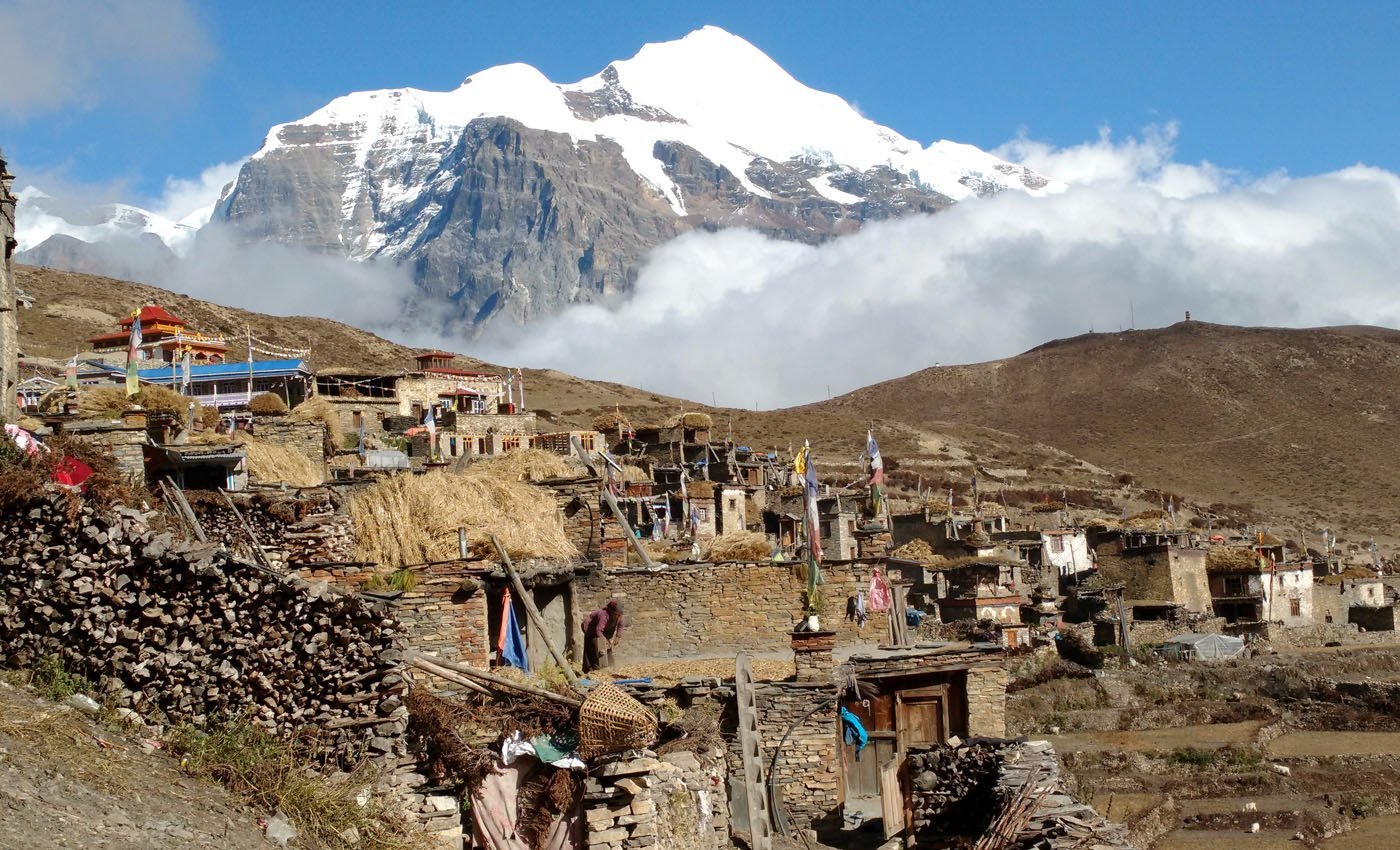
  • Explore the remote and less-traveled Nar and Phu villages with Tibetan-style culture.
  • Trek through the restricted Nar Phu Valley, preserving ancient traditions and architecture.
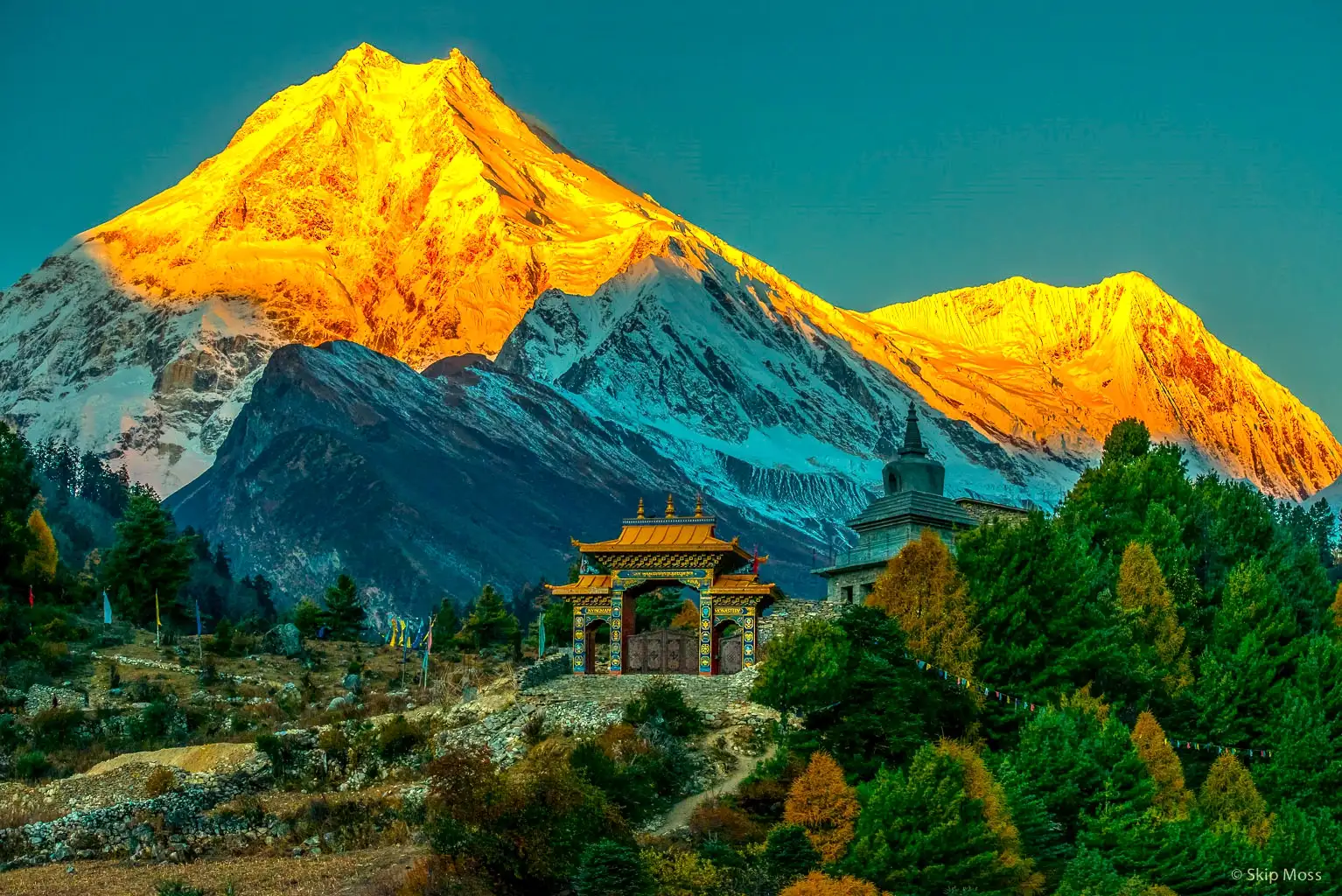
  • Cross the Kang La Pass (5,320m), offering panoramic views of Annapurna II, Lamjung Himal, and Tilicho Peak.
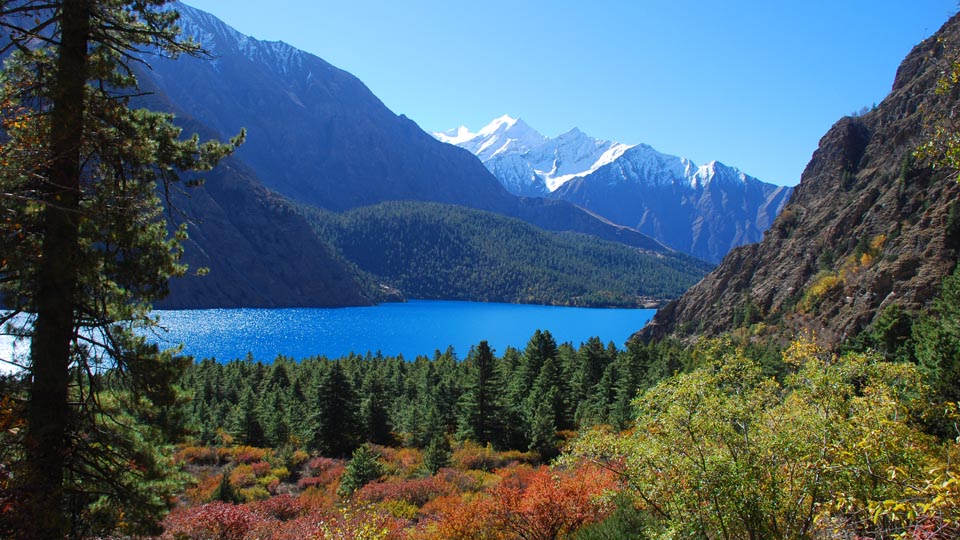
  • Experience high-altitude landscapes, including alpine meadows, glaciers, and rugged valleys.
  • Interact with local Manangi and Tibetan-influenced communities, learning their customs and lifestyle.
  • Moderate to challenging trek suitable for experienced trekkers with good fitness.

Overview

The Nar Phu Valley Trek is one of Nepal’s most remote and less-explored trekking adventures, offering a journey into the hidden Tibetan-style villages of Nar and Phu. Located in the northern Annapurna region, this trek provides a rare glimpse into traditional Manangi and Tibetan-influenced culture, ancient monasteries, and pristine Himalayan landscapes, making it ideal for trekkers seeking adventure off the beaten path.

The trek usually begins with a drive from Kathmandu or Pokhara to Jagat, following the Marsyangdi River through terraced fields, forests, and local settlements. The route ascends gradually through the Manang District, passing villages like Koto, Meta, Nar, and Phu, each offering unique cultural experiences and stunning views of the surrounding peaks, including Annapurna II, Lamjung Himal, Gangapurna, and Tilicho Peak.

The Nar Phu Valley is a restricted area, requiring special permits arranged by I Global Travel & Tourism, ensuring responsible tourism and preservation of local culture. The trail combines alpine landscapes, high-altitude passes, and glacial valleys, with highlights including Kang La Pass (5,320m), traditional monasteries, and ancient Tibetan-influenced architecture.

The trek usually takes 12–16 days, making it suitable for trekkers with moderate to high fitness levels and some prior high-altitude trekking experience. The best seasons for the Nar Phu Valley Trek are spring (March–May) and autumn (September–November), offering clear skies, pleasant weather, and spectacular mountain views.

In conclusion, the Nar Phu Valley Trek offers a unique combination of remote Himalayan adventure, cultural immersion, and natural beauty. With the support of I Global Travel & Tourism, trekkers can explore this hidden gem safely, experiencing the pristine valleys, warm local hospitality, and Tibetan-influenced culture of the Nar Phu region.

Itinerary

Arrive in Kathmandu and meet the I Global Travel & Tourism team. Transfer to hotel, trek briefing, and preparation. Overnight stay in Kathmandu.

Drive to Besisahar and begin trekking along the Marsyangdi River to Jagat. Cross small villages and terraced fields. Overnight in Jagat.

Trek through scenic landscapes, forests, and rivers, gradually ascending to Dharapani. Overnight stay in Dharapani.

Trek along the Marsyangdi Valley, enjoying views of Annapurna II and surrounding peaks. Arrive in Chame, a bustling teahouse village. Overnight in Chame.

Ascend through pine forests and terraced fields to Upper Pisang. Stunning views of Annapurna II, Lamjung Himal, and Gangapurna. Overnight stay in Upper Pisang.

Trek to Braga, famous for its monastery and Tibetan-influenced culture. Explore the village and enjoy panoramic Himalayan views. Overnight in Braga.

Cross through high-altitude valleys and trails, reaching the restricted Nar Valley. Explore the traditional Tibetan-style village of Nar. Overnight stay in Nar.

Trek to Phu Village, another ancient settlement with monasteries, mani walls, and centuries-old Tibetan culture. Overnight in Phu.

Prepare for the Kang La Pass crossing, the highest point of the trek. Overnight stay at the base camp near the pass.

Cross Kang La Pass, enjoying panoramic views of Annapurna II, Lamjung Himal, and Tilicho Peak. Descend to Koto for overnight stay.

Trek through alpine landscapes and past small villages, arriving in Manang, a popular stop on the Annapurna Circuit. Overnight stay in Manang.

Optional acclimatization hikes around Manang or trek to Yak Kharka. Overnight in Yak Kharka.

Ascend gradually to Thorong Phedi, preparing for the high pass crossing. Overnight stay in Thorong Phedi.

Cross Thorong La Pass, one of the highest trekking passes in the world. Descend to the sacred pilgrimage site of Muktinath. Overnight stay in Muktinath.

Descend through the Kali Gandaki valley to Jomsom, enjoying views of Dhaulagiri and Nilgiri peaks. Overnight in Jomsom.

Take a scenic flight back to Pokhara or Kathmandu. Overnight stay in Kathmandu.

Transfer to Tribhuvan International Airport for your onward journey, concluding the Nar Phu Valley Trek with I Global Travel & Tourism.

Includes

  • Airport pick-up and drop-off in Kathmandu by I Global Travel & Tourism
  • Accommodation in Kathmandu with breakfast before and after the trek
  • Ground transportation (Kathmandu–Besisahar / Jomsom–Kathmandu)
  • Domestic flight (Jomsom–Pokhara/Kathmandu) if included in itinerary
  • Professional English-speaking trekking guide and porter services
  • Restricted area permit for Nar Phu Valley and TIMS card
  • First-aid kit and emergency support
  • Trekking map and detailed itinerary

Excludes

  • International airfare to/from Kathmandu
  • Nepal visa fees on arrival
  • Personal trekking gear (boots, jackets, sleeping bags, trekking poles, etc.)
  • Travel insurance covering trekking and high altitude
  • Extra snacks, bottled water, and beverages
  • Tips for guides, porters, and drivers

Equipment

Trekking Equipment List for Everest Base Camp Trek

Having the right gear is essential for a safe and enjoyable trekking experience. iGlobal Travel and Tourism recommends the following items for the Everest Base Camp Trek (5,364m):

👕 Clothing

  • Base layers (thermal tops and bottoms).
  • Trekking shirts (moisture-wicking, long & short sleeves).
  • Fleece jacket or pullover.
  • Insulated down jacket (warm and lightweight).
  • Waterproof and windproof jacket (Gore-Tex or similar).
  • Trekking pants and warm trousers.
  • Waterproof trekking pants.
  • Warm hat, sun hat, and buff/scarf.
  • Innerwear and socks (thermal & trekking).

🥾 Footwear

  • Sturdy trekking boots (broken-in, waterproof).
  • Comfortable camp shoes or sandals.
  • Warm trekking socks (wool or synthetic).
  • Gaiters (optional, for snow or muddy trails).

🎒 Bags & Accessories

  • Backpack (40–50L) with rain cover.
  • Duffel bag (provided by company for porters).
  • Daypack (20–25L for personal items).
  • Sleeping bag (-10°C to -15°C, can be rented in Kathmandu).
  • Trekking poles (lightweight & adjustable).

🧴 Personal Items

  • Sunglasses with UV protection.
  • Sunscreen (SPF 30+) and lip balm.
  • Headlamp with extra batteries.
  • Water bottles and/or hydration bladder.
  • Water purification tablets or filter.
  • Quick-dry towel and toiletries.
  • Wet wipes and hand sanitizer.

💊 Health & Safety

  • Personal first aid kit (plasters, antiseptic, blister care).
  • Prescribed medications.
  • Diamox (for altitude sickness, consult doctor before use).
  • Rehydration salts and energy gels/snacks.
  • Travel insurance (mandatory, covering high-altitude trekking).

📷 Extras (Optional but Recommended)

  • Camera or GoPro with extra batteries.
  • Power bank or solar charger.
  • Journal or book for evenings.
  • Lightweight binoculars.
  • Trekking map or guidebook.

FAQ's

What is the maximum altitude of the trek?

The highest point is Kang La Pass (5,320m), offering panoramic views of Annapurna II, Lamjung Himal, and Tilicho Peak.

Is the Nar Phu Valley Trek difficult?

Yes, it is considered a moderate to challenging trek due to high altitude, rugged terrain, and long trekking days. Prior trekking experience is recommended.

When is the best time to do the Nar Phu Valley Trek?

The best seasons are spring (March–May) and autumn (September–November) for clear skies and stable weather.

Do I need permits for this trek?

Yes. A restricted area permit for Nar Phu Valley and TIMS card are required, arranged by I Global Travel & Tourism.

Video

Client reviews

Review Requests

Enter a recent customer’s contact info and we’ll ask them to leave you a review.

Related Packages