


Yes, most travelers require a visa to enter Japan. Requirements vary depending on your nationality. Please check with the Japanese Embassy or Consulate in your country before booking.
Up to 30%* on daily travel deals ! gets yours now
A 15-day Japan Tour is a perfect blend of tradition, culture, modern innovation, and natural beauty. From the bustling neon-lit streets of Tokyo to the serene temples of Kyoto, this journey provides a deep insight into Japan’s contrasts. Travelers get the chance to experience world-class cities, ancient castles, historic towns, and breathtaking landscapes all in one itinerary.
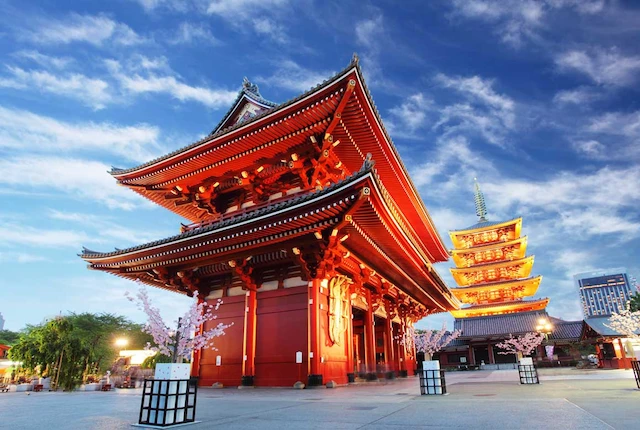
The tour usually begins in Tokyo, Japan’s dynamic capital. Visitors explore iconic landmarks such as the Imperial Palace, Asakusa’s Senso-ji Temple, Shibuya Crossing, and the Skytree. Modern attractions blend with traditional corners, giving travelers the best of both worlds. Day trips to nearby areas like Nikko or Hakone also allow for hot spring experiences and views of Mount Fuji.
The journey then continues to cultural Kyoto and Nara, where centuries-old shrines, tea houses, and geisha districts reflect Japan’s timeless traditions. The famous Fushimi Inari Shrine, Golden Pavilion (Kinkaku-ji), and Nara’s friendly deer at Todaiji Temple highlight the region’s beauty. Visitors also experience traditional tea ceremonies and kimono culture in this part of the journey.
Next, travelers head to Osaka, Hiroshima, and Miyajima Island, where modern lifestyle and history connect. Osaka excites with street food and vibrant nightlife, while Hiroshima tells a moving story of resilience through its Peace Memorial Park. Miyajima’s floating torii gate provides one of Japan’s most iconic views, leaving a lasting impression.
Finally, the tour often includes scenic landscapes and lesser-known gems such as Kanazawa, Takayama, and Matsumoto, where traditional wooden towns, samurai districts, and alpine scenery await. These regions reveal Japan’s rural charm and slower pace. The 15-day journey concludes with a return to Tokyo, leaving travelers with a comprehensive experience of Japan’s cultural richness, natural beauty, and modern wonders.
Your journey begins as you arrive at Tokyo’s Narita or Haneda International Airport, where you will be warmly greeted and transferred to your hotel. After check-in, you can take some time to relax and recover from your flight. In the evening, enjoy a leisurely walk around Shinjuku or Shibuya, where the neon lights, bustling streets, and lively atmosphere introduce you to the vibrant spirit of Japan’s capital city.
Today is dedicated to discovering Tokyo’s rich blend of tradition and modernity. Begin with a visit to Asakusa’s Senso-ji Temple, Tokyo’s oldest and most iconic Buddhist temple. Wander through Nakamise Shopping Street, lined with stalls selling souvenirs and street snacks. Later, head to Tokyo Skytree, the tallest structure in Japan, for breathtaking city views. The day ends with a walk through Shibuya, where you can experience the world-famous Shibuya Crossing and pay a visit to the statue of Hachiko, the loyal dog.
Immerse yourself in Tokyo’s modern side as you start at Meiji Shrine, an oasis of tranquility in the heart of the city. From there, explore Harajuku’s Takeshita Street, famous for quirky fashion and youth culture. The afternoon is best spent in Akihabara, the hub for anime, gaming, and electronics enthusiasts. In the evening, you can enjoy Tokyo’s nightlife at Roppongi or Shinjuku, where entertainment, dining, and lights keep the city alive well into the night.
A full-day excursion takes you to the UNESCO World Heritage site of Nikko, known for its stunning shrines and natural beauty. You will explore Toshogu Shrine, a masterpiece of ornate carvings and history, before heading to the picturesque Kegon Falls and the scenic Lake Chuzenji. After a day surrounded by cultural and natural wonders, return to Tokyo for an overnight stay.
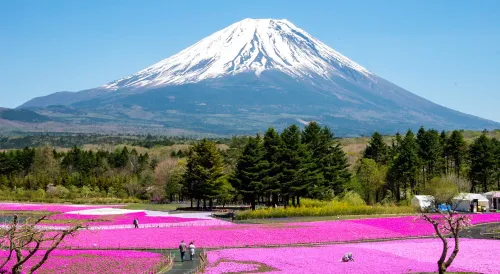
Leave Tokyo behind and travel to Hakone, a region celebrated for its hot springs and views of Mt. Fuji. Enjoy a cruise on Lake Ashi, where on clear days, Mt. Fuji forms the perfect backdrop. Ride the Hakone Ropeway to Owakudani Valley, known for its volcanic landscapes and steaming vents. In the evening, check into a traditional ryokan, where you can relax in a soothing onsen bath and experience authentic Japanese hospitality.
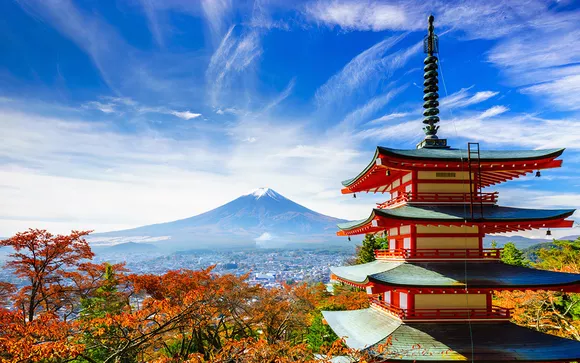
This morning, you travel to Mt. Fuji’s 5th Station, weather permitting, where the majestic peak towers above the surrounding landscapes. Afterward, take a scenic train ride to Takayama, a charming town nestled in the Japanese Alps. Wander through Takayama’s preserved Old Town, with its Edo-period streets, merchant houses, and sake breweries. You can also visit Takayama Jinya, a historic government building.
Today’s highlight is the UNESCO World Heritage village of Shirakawa-go, famous for its traditional gassho-zukuri farmhouses with steep thatched roofs. After exploring this picturesque village, continue your journey to Kanazawa, a city known for its cultural heritage. Visit the renowned Kenrokuen Garden, one of Japan’s top three landscape gardens, and stroll through the Nagamachi Samurai District, where samurai residences have been beautifully preserved.
In the morning, you travel from Kanazawa to Kyoto, Japan’s cultural capital. After settling in, take a relaxed evening stroll through the historic Gion district, where you may catch a glimpse of geisha or maiko making their way to evening appointments. This walk through narrow lanes and traditional tea houses introduces you to the timeless charm of Kyoto.
Kyoto is home to thousands of temples and shrines, and today you visit some of its most iconic landmarks. Start with Kinkaku-ji, the Golden Pavilion, shimmering beautifully over its reflective pond. Continue to Ryoan-ji Temple, renowned for its minimalist rock garden. In the afternoon, explore Fushimi Inari Shrine, with its seemingly endless tunnels of bright red torii gates climbing into the forested hills. Each site reflects the depth of Japan’s cultural and spiritual traditions.
Another day in Kyoto allows you to explore the enchanting Arashiyama district. Walk through the famous Bamboo Grove, a surreal pathway surrounded by towering bamboo stalks. Visit Tenryu-ji Temple, a UNESCO World Heritage site, and admire the scenic Togetsukyo Bridge over the Katsura River. For a cultural experience, you may also participate in a traditional Japanese tea ceremony, a ritual steeped in grace and simplicity.
This morning, take a short trip to Nara, Japan’s first permanent capital, where history and tradition come alive. Visit Todai-ji Temple, housing the Great Buddha, one of the largest bronze statues in the world. Wander through Nara Deer Park, where friendly deer roam freely. In the afternoon, continue to Osaka, a city known for its lively energy and delicious food. In the evening, head to Dotonbori Street, famous for neon lights, canal views, and endless street food options.
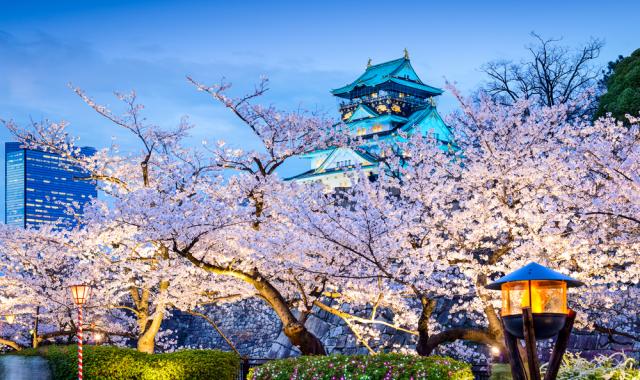
Spend the day discovering Osaka’s highlights. Begin with Osaka Castle, a symbol of the city’s history and resilience. Next, visit the Umeda Sky Building, an architectural marvel offering sweeping views from its floating garden observatory. The rest of the day can be spent indulging in Osaka’s culinary delights, such as takoyaki and okonomiyaki, or shopping in vibrant districts like Namba.
Travel by Shinkansen to Hiroshima, a city that has risen from tragedy with a message of peace. Visit the Peace Memorial Park and Museum, where exhibits recount the events of 1945. Later, take a short ferry ride to Miyajima Island, where the iconic floating torii gate of Itsukushima Shrine stands gracefully over the water. Return to Hiroshima for an overnight stay, reflecting on the day’s moving experiences.
Board the bullet train back to Tokyo for your final full day in Japan. This day is kept flexible for shopping and leisure. You can explore Ginza’s luxury boutiques, Akihabara’s electronics stores, or simply enjoy a relaxing walk through Ueno Park. In the evening, gather for a farewell dinner, celebrating the memories and friendships made during your journey.
Your Japan adventure concludes as you are transferred to the airport for your flight home. With unforgettable experiences ranging from ancient temples and vibrant cities to serene gardens and iconic landmarks, you leave with lasting memories of a journey that captured the essence of Japan.
Having the right gear is essential for a safe and enjoyable trekking experience. iGlobal Travel and Tourism recommends the following items for the Everest Base Camp Trek (5,364m):
Yes, most travelers require a visa to enter Japan. Requirements vary depending on your nationality. Please check with the Japanese Embassy or Consulate in your country before booking.
The best seasons to visit Japan are spring (March–May) for cherry blossoms and autumn (September–November) for colorful foliage. Winter is also ideal if you enjoy snow and hot springs, while summer offers vibrant festivals.
The package includes carefully selected 3-star or 4-star hotels, along with a stay in a traditional ryokan (Japanese inn) where you can experience tatami rooms, futon bedding, and onsen hot springs.
Yes, the tour includes a Japan Rail Pass, which covers bullet train (Shinkansen) travel and selected local trains, ensuring comfortable and convenient intercity transportation.
Enter a recent customer’s contact info and we’ll ask them to leave you a review.